


12 Months, 12 Destinations: Where to Go in 2026, Month by Month
- Phil Thomas

- Dec 29, 2025
- 10 min read
Travel works best when timing is treated as part of the destination rather than an afterthought.
Peak season is something of a myth these days (southern Europe’s most visited areas consider this to be half the year) but it remains true that planning trips around the weather, cultural calendars, and crowd behaviour can change the character of a place entirely. Ideally for the better.





L-R: Fancy a trip to Constantine, Algeria (Jan), Faroe Islands (July) or Iona, Scotland (May)?
Rather than another general list, I’ve tried to follow this idea through here, matching one destination to each month of 2026 based on when it genuinely makes sense to be there.
Every place on this list is somewhere I have already been (and revisited mentally with timing in mind!) and would highly recommend adding to your wish list for where to go in 2026.
January - Constantine, Algeria

One of these days, the Algerian government will decide to open their doors to the wider world and watch on as the collective jaw drops. Until then, getting in is a schlep but it’s worth it and then some!
Dramatically suspended over deep gorges, Constantine is one of the world’s oldest continuously inhabited cities and among its most visually arresting. Ottoman palaces, French-era boulevards, and modern bridges, including the vertiginous Salah Bey Viaduct, span the Rhumel River canyon.
Walk the old Casbah for texture and scale, then drive (or more accurately be driven) the 100km to Djemila for some of the most impressive Roman ruins in North Africa.
Tourism infrastructure exists but is limited – doing this with a guide (we used the excellent Fancy Yellow travel) is pretty much mandatory but this gives insights you’d never get solo.
When visitor restrictions do fully relax, Constantine will change quickly and unlikely for the better. Visit while the city still feels inward-looking, complex, and profoundly its own.
February - Akureyri, Iceland

Unlike others on this list, this colder destination is one to explore in the darker months.
Direct UK flights bring Akureyri, in the northern part of Iceland, into play in 2026, and timing matters. The Northern Lights are still at the peak in their roughly 12-year solar cycle, giving winter visitors excellent odds away from Reykjavík’s light pollution.
Base yourself in town, budget for several nights’ exploration (ring-fencing one night for the Northern Lights will backfire I guarantee you) then use your days to range outward. Just be aware you have far fewer daylight hours to play with.
Whale-watching trips from nearby Hauganes or Húsavík (of ‘My Lovely Hometown’ fame) regularly encounter humpbacks, while Mývatn’s geothermal baths provide a quieter, and cheaper, alternative to the Blue Lagoon. Pick up the ring road and continue on to Seydisfjordur for waterside views - and kayaking.
If you come in summer, swap the aurora for hiking - Ásbyrgi canyon’s horseshoe cliffs and Godafoss’ raw power are both within reach. Akureyri still feels like a small town but is an excellent base to explore the lesser-known parts of Iceland from. Visit now, before it becomes Iceland’s next obvious stop.
March - Northumberland, England
With more castles than any other English county, Northumberland already feels cinematic. 2026 simply makes it official. Sandwiched between the tourist heavyweights of Scotland, the Lake District and the Yorkshire Dales, it often gets missed. But it’s my favourite place in the whole UK and it should be top of your list for any British itinerary, whether you're venturing north from London (5hrs drive) or south from Edinburgh (90 minutes' drive - or take an all-in-one day trip) .
The long-awaited release of 28 Years Later puts the county’s brooding landscapes back on screen, with Holy Island the last refuge for humanity. Stay after the tide comes in and the mainland is cut off and you’ll get the idea.

The inspiration doesn’t stop there. Bamburgh Castle’s basalt outcrop was good enough for Indiana Jones’ most recent film, Alnwick’s gardens come with its very own poison section (‘Does it have a gift shop’ I hear you ask) and boasts Barter books, one of the best bookshops and cafes in the country and Newcastle is hands-down the best night out in the country.
Come in late spring or early autumn, when the light is long, the beaches are empty, and Northumberland looks exactly as it should. It’s vast, windy, and utterly perfect.
April - Ushuaia, Argentina

Often treated than little more than a gateway to Antarctica, Ushuaia deserves time in its own right. It is the end of the world after all, show some respect!
The Laguna Esmeralda hike, one of Argentina’s most scenic (in my view, the equal of anything in Patagonia), passes peat bogs and lenga forest before opening onto a glacial lake framed by serrated peaks.
On the Beagle Channel, boat trips (book a small boat trip to avoid it feeling like a cruise ship) reveal sea lions, cormorants, and pods of dolphins without cruise-ship theatrics. Tierra del Fuego National Park offers coastal walks and forest trails that feel genuinely remote...and yes, it’s touristy, but who couldn’t resist a train to the end of the world.
In 2026, improved domestic connections make lingering easier, while overtourism remains limited. Come once the cruise ships have departed in early April and you’ll discover a wonderland that falls into the ‘why did nobody tell me’ territory.
May - Mull and Iona, Scotland

The islands of Mull and Iona in the Inner Hebrides remain one of the UK’s most persuasive arguments for slowing down.
On Mull, the coast path between Calgary Bay and Croig rewards walkers with white sand, turquoise water, and almost no one else. Inland, the hike up Ben More delivers proper elevation and Atlantic views without Alpine logistics.
Iona – Scotland’s own holy island – reached by a short ferry, offers a different stillness: walk the island end to end in an afternoon, visit Iona Abbey, and linger on the machair-backed beaches facing the Atlantic. The waters are as clear as the Caribbean, just thirty degrees cooler. On a sunny day, there’s nowhere more beautiful on Earth.
In 2026, growing interest in quieter, low-impact travel plays to the islands’ strengths. Accommodation is limited so book ahead. You’ll need a car and a good logistical brain (the ferry timetable will become your best friend) but, goodness, it’s worth it.
June - Arctic Norway
As “cool-cations” gained traction, Arctic Norway has suddenly become more than a niche Instagram trend. Everyone who returns raves about the landscape – and rightly so, I can’t think of many more beautiful places on Earth.
Above the Arctic Circle, June - August offers extended midnight sun, making it possible to hike at 11pm or kayak fjords under a copper-coloured sky. The Lofoten Islands are the star of the show delivering breathtaking vistas and gorgeous white sand beaches, while Senja offers equally dramatic terrain with fewer visitors. Sea kayaking between islands reveals eagles, seals, and glassy water, while simple rorbuer (fishermen's) cabins keep nights uncomplicated.

The cities of Tromso and Bodo anchor the region with diverse cuisine and – in Tromso’s case – the funkiest cathedral this side of Barcelona. Plot spoiler – this will not be your cheapest holiday ever so don’t have a sense of humour failure when you order two beers and get no change out of $30.
Infrastructure is improving – tourist taxes being introduced in 2026 will see to that - without flattening character.
Coming in late May or early June avoids the worst of the crowds and gives opportunities for clear trails, endless days and a landscape that simply defies belief. And then have a read of my guide to the best hikes (including Reinebringen, pictured above).
July - Faroe Islands
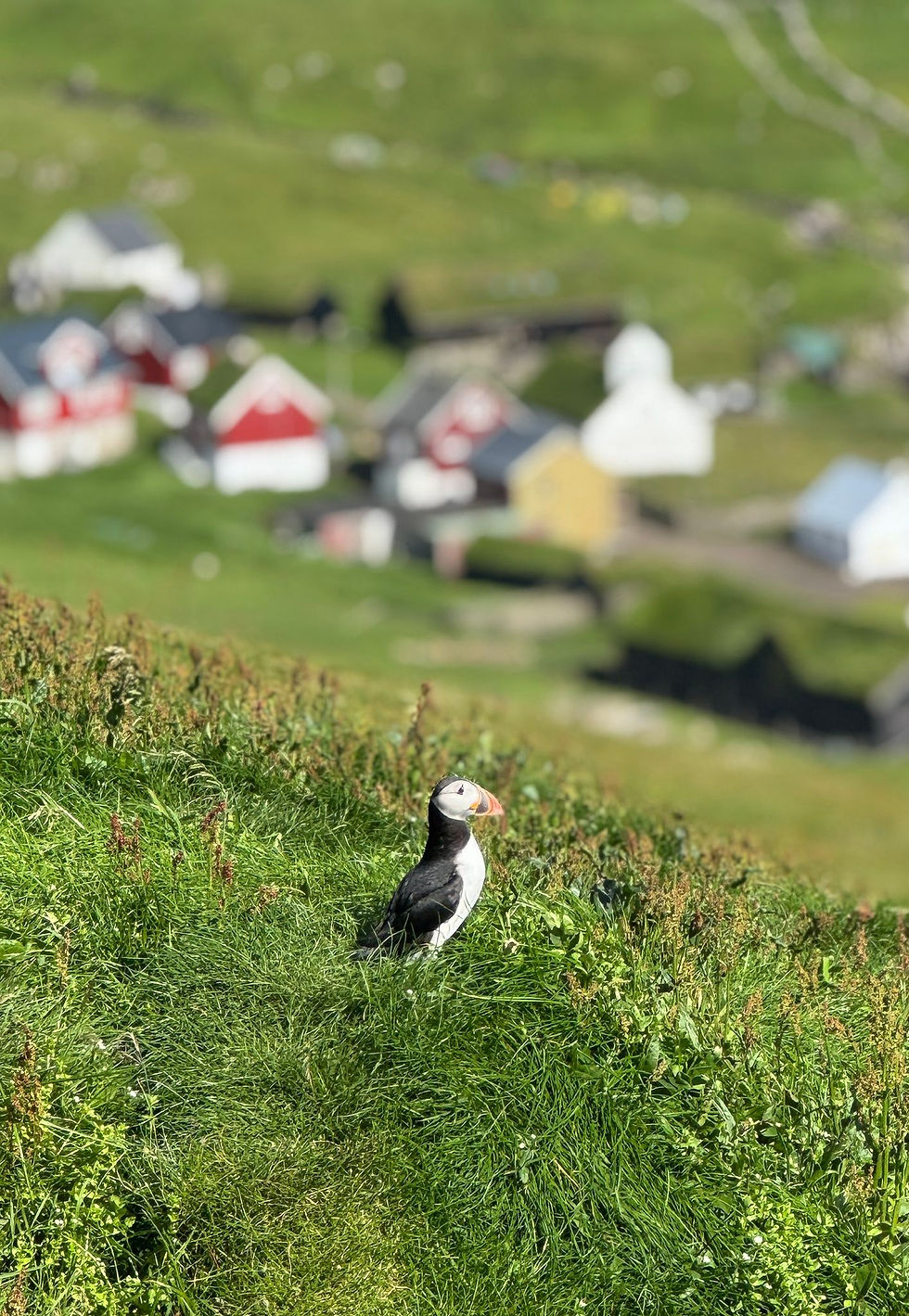
With direct routes expanding across Europe, the Faroe Islands is become more reachable in 2026 and is making a concerted effort to welcome visitors without losing the essential character of the place. On the edge of Europe, this is a place which rewards thoughtful travel above all else.
Base yourself outside Tórshavn – with a view of the grass covered roofs - and hire a car for the best effect.
Hiking up Klakkur on a clear day gives a stunning view of optical illusion cliffs, stretching into the distance whilst taking the boat to Mykines (permanent population – 8 humans and 25,000 puffins) is a trip unlike any other.
A local guide is required, which in our case was a 16th-generation resident, who had many politically incorrect stories of life in one of the most remote spots on the continent. Book your ferry in advance, numbers are controlled and it's seriously popular.
You’ll always be taking a chance of the weather but summer’s long days suit hiking and birdlife. Or apply to come on the first weekend of May, where the island shuts down and an army of volunteers descend to strengthen the island’s infrastructure. Voluntourism at its finest.
August – The Caucus Mountains, Georgia
For what is supposedly peak season, August is actually one of the hardest months to place. It tends to be a month I avoid travel - not a beach person and most European cities resemble the seventh circle of hell. However, a few years ago I headed East and discovered an exception.
To be clear, this is Georgia the country...Atlanta in August is distinctly 'no sir!'

In the High Caucasus, trails around Kazbegi, Juta, and Truso Valley are snow-free and accessible, offering long-distance hikes with glacial rivers, alpine meadows, and stone villages that feel suspended in time. Days are warm but not oppressive at altitude, making multi-day walking realistic. The landscape is something else.
Back in Tbilisi, Georgia’s buzzing capital and a consistent entry on many ‘best of 2026 lists’ evenings revolve around wine rather than weather: take a look up at Mother Georgia statue on the hill above the city, she’s holding a glass of red. Take the hint.
Georgian food - khinkali, herb-heavy stews, grilled meats - comes into its own after a day outdoors. With an increasing number of direct flights from across Europe, Georgia is rapidly moving from ‘best kept secret’ to ‘go now’ destination.
September - Tirana, Albania

Tirana has spent decades being overlooked, which is precisely why it feels so alive now.
The opening of a Ryanair base makes access easier in 2026, with an inevitable increase in tourism. This should of huge benefit to the city…although a part of me really hopes it doesn’t lose its soul in the process (I loved it as you can read in my blog here).
The brutalist architecture and murals of Skanderbeg Square anchors the city, flanked by the Et’hem Bey Mosque, while Bunk’Art 1 and 2 transform former Cold War bunkers into sharply curated museums, which tell of Albania’s captivating, messy and often dark history.
Ride the Dajti Ekspres cable car or hike up Gamti mountain for forest walks and splendid views, then return for a dinner that blends Mediterranean and Turkish ingredients. If that weren’t enough, you can retire for world-class cocktails in Radio Bar, complete with communist insignia and 1970s rotary phones. Tirana’s energy comes from contrast – it still feels refreshingly unpolished without actually feeling like anywhere else, a rare thing in 2026 Europe.
October - Lafayette, Louisiana, USA

Lafayette calls itself the Happiest City in America, which right now feels it’s seriously needed.
What’s behind this claim? Well, the food alone justifies the trip: boudin from local markets, crawfish étouffée at unpretentious lunch counters, and gumbo built slowly and seriously.
Cajun Food Tours gives you the best selection in the state, including Po’boys from Old Tyme Bakery that are life-affirmingly good (avoid Lent where the queues stretch down the block!)
In 2026, Cajun and Creole culture feels increasingly rare in its authenticity – activists are helping French is making a concerted comeback still spoken, live music still erupts without ceremony, and festivals like Festival International (April) and Festivals Acadiens et Créoles (October - it's not too hot to 'allons danser') are simply two of the best great times you will have stateside, whether your preference is food, drink, music or dancing.
While you’re here visit Vermilionville to understand Acadian history, head out into the Atchafalaya Basin for swamp landscapes that feel lived-in, grab dinner at Vestal’s (order the crawfish bisque and thank me later) and finish your night two-stepping at the Blue Moon Saloon.
Lafayette is not curated; you don’t need a museum to understand the culture. Which is exactly why you should drive the 2¼ hrs from New Orleans to visit. Along the way, there are plenty of superb stops - incluidng my favourite, Spuddy's Cajun Cooking experience.
November - Catalonia (beyond Barcelona), Spain

2026 is 'Gaudi Year' in Catalonia, marking the centenary of Antoni Gaudí’s death, whose footprints lie across the whole region.
Yes, the Sagrada Familia – now the world’s tallest church – remains spectacular but the most rewarding Catalan experiences sit outside Barcelona’s perimeter.
In Reus, Gaudí’s birthplace, the Gaudí Centre provides insight without the crowds, while nearby Tarragona showcases one of Spain’s best-preserved Roman ensembles, including an aqueduct that must be the most impressive highway-side attraction on the planet.
Sitges - 40 minutes by train from Barcelona - balances Modernist architecture with a serious year-round food scene (plus a fantastic queer-focused - but welcome to everyone who's not a dick -nightlife) and Montserrat, complete with Gaudi’s often missed statutes near the Santa Cova cave, has some breathtaking mountain hikes. Sitges and Tarragona can be combined for an easy day trip.
The food and wine are also spectacular, building on Catalonia’s 2025 Year of Gastronomy. Priorat’s steep vineyards produce powerful reds best understood at source. With anniversary programming spreading region-wide, 2026 is ideal for exploring Catalonia as a cultural landscape rather than a single city break. You can do pretty much all of it by train, which means you can have that second glass of red. Go on, you’ve earnt it.
December: Tallinn & Tartu, Estonia
December suits Estonia’s temperament. In Tallinn, the medieval old town contracts inward: candlelit cafés, quiet church services, and a Christmas market that prioritises craft and food over gaudy spectacle (which passes several of my ‘Survive and Thrive at European Christmas Market’ tests). And the decorations on sale, resplendent with amber, actually look like something you’d want on your Christmas tree.

Snow sharpens the city’s lines, and walking the walls or Toompea Hill at dusk feels almost
theatrical. Two hours south, Tartu offers a softer counterpoint. The university town leans into winter with bookshops, small concerts, and riverside walks along the frozen Emajõgi river. This is a great place to try the ubiquitous saunas and meals grow heartier, whilst still being good value.
There aren’t many festive weekends left in Europe that aren’t over-saturated so get to Estonia while it’s still one of them.
Where To Go In 2026 – The Final Word
If there is a single idea running through this list, it is that travel rewards intention.
None of these destinations are new - although if you had Algeria on your bucket list, congratulations – go for it! - and none rely on novelty for their appeal, they're just fantastic places that I would recommend to anyone who asks (and most who don't!)
Each work as a standalone destination or part of a wider itinerary.
Wishing you all the happiest of new years and all the best for wonderful travels in 2026!


Planning destinations month by month is a great way to make the most of travel in 2026. Argentina definitely stands out as a must-visit location. Alongside travel plans, some individuals explore Management Courses in Buenos Aires, Argentina to add professional growth to their global experiences.
What amazing places you have been! Thanks for sharing.
I love the idea for this post!